

 6 hours ago
2
6 hours ago
2
PROTECT YOUR DNA WITH QUANTUM TECHNOLOGY
Orgo-Life the new way to the future Advertising by Adpathway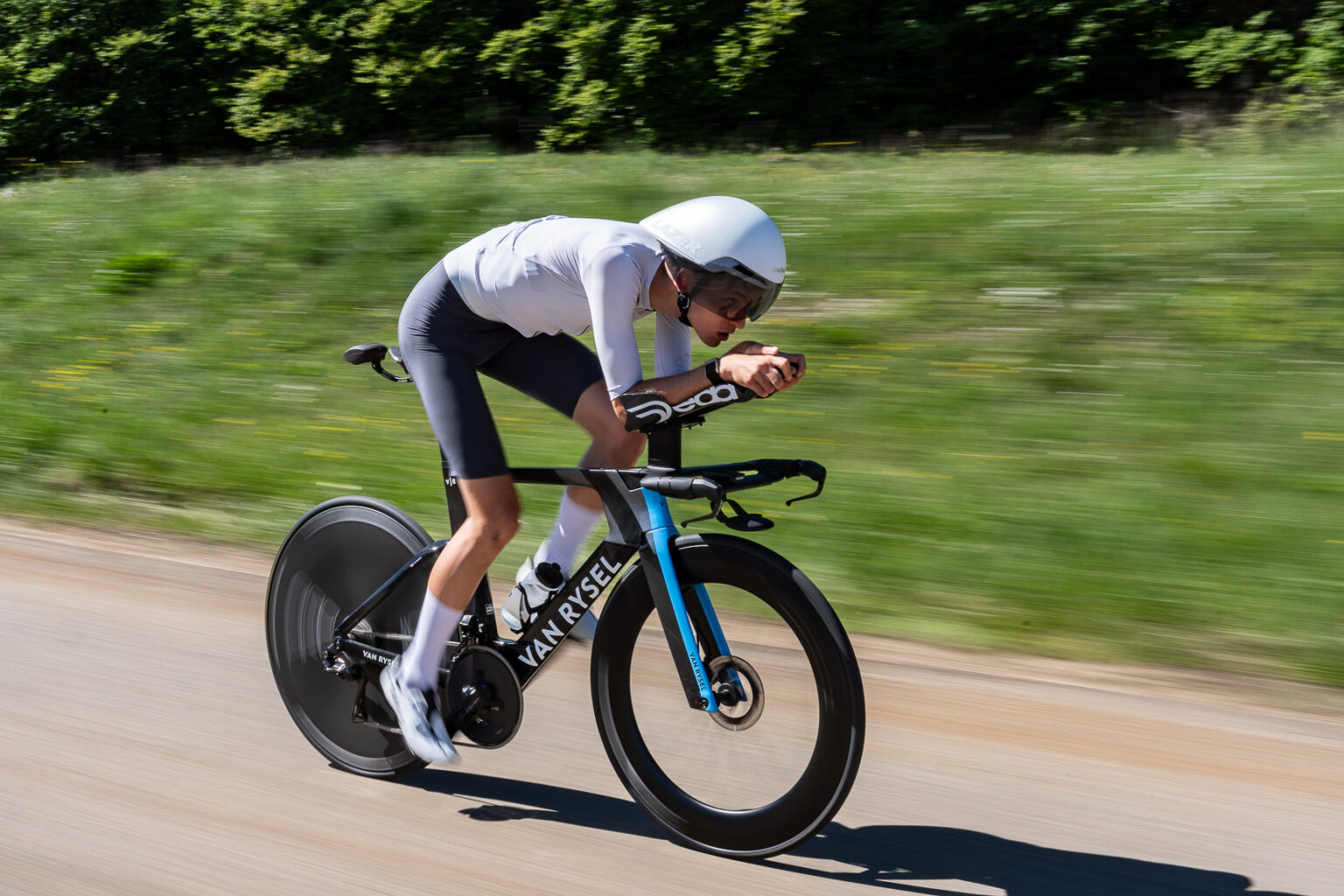
Aeroscale wants to put a number on the watts you’re throwing away, or at least thats what they claim.
The French startup just launched its Wasted Watts Tracker on Kickstarter, and the concept is pretty spicy: a real-time, on-road system that shows how many watts are getting lost while you ride. Not just from your position in the wind, but also from rolling resistance and drivetrain drag.
So yes, your bike computer can already tell you how many watts you’re making. Aeroscale wants to tell you how many of those watts are actually helping you go faster.
That’s a very different, and probably more painful, number.
 (All Photos/Aeroscale)
Aeroscale – No Wind Tunnel Needed
For most riders, aero testing has always been a little out of reach. You either go to a wind tunnel, find a velodrome, or spend a lot of time doing repeat runs and hoping the weather behaves. It works, but it’s not exactly simple.
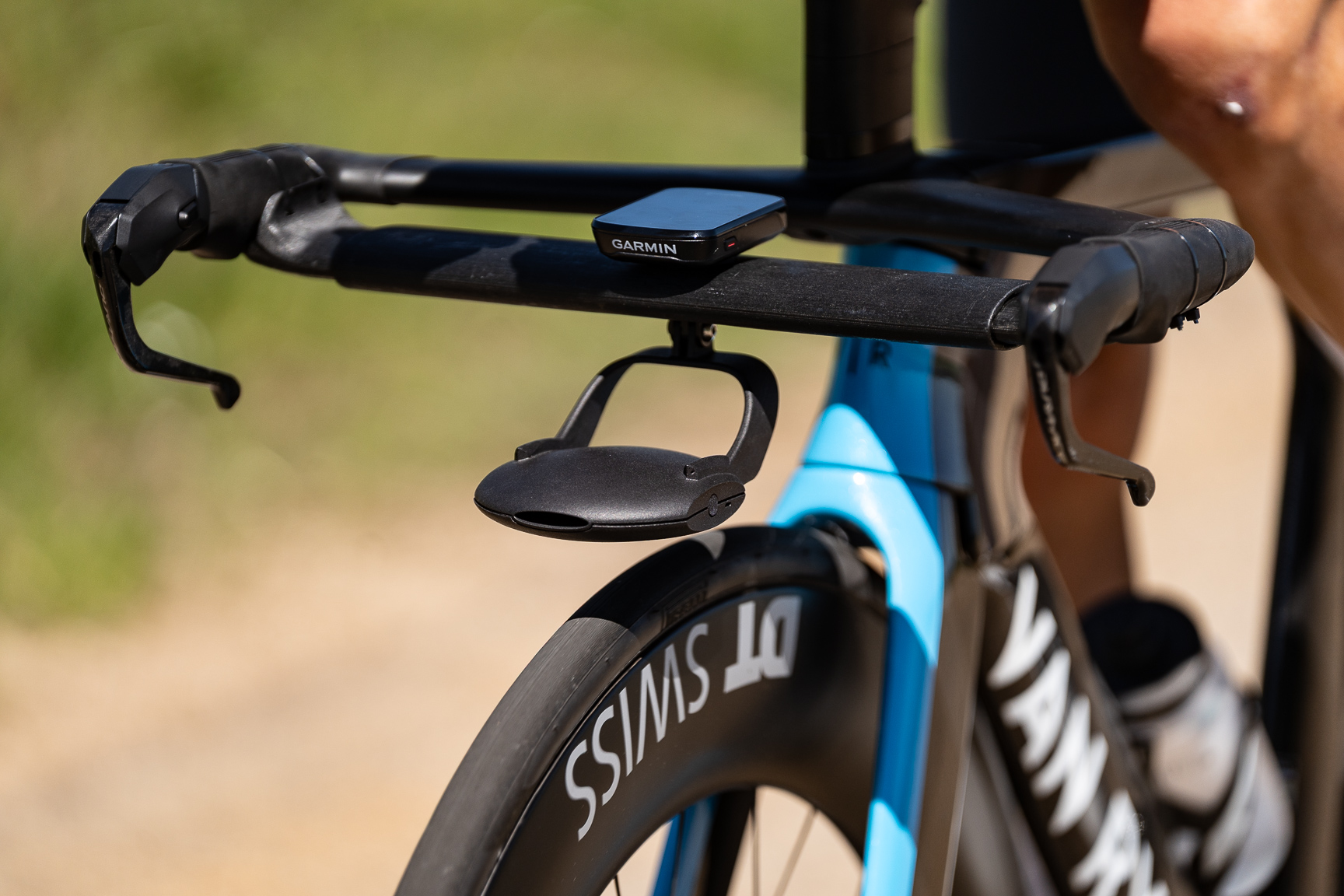
The Wasted Watts Tracker uses two bike-mounted modules, a smartphone app, and a high-precision GPS RTK correction service to measure what’s happening while you’re actually riding. It syncs power, ground speed, altitude, and airspeed, then turns all of that into a live readout of where energy is being lost.
The idea is simple enough: change position, swap wheels, adjust tire pressure, test a helmet, clean the drivetrain, and see what happens. Not later at home with a spreadsheet. Right there on the ride.
Aeroscale says the system has already been used by WorldTour teams for several seasons. Now it’s trying to bring that same kind of feedback to the very specific group of riders who hear “$1,899 Kickstarter aero sensor” and immediately start justifying it.
How Does Aeroscale Work?
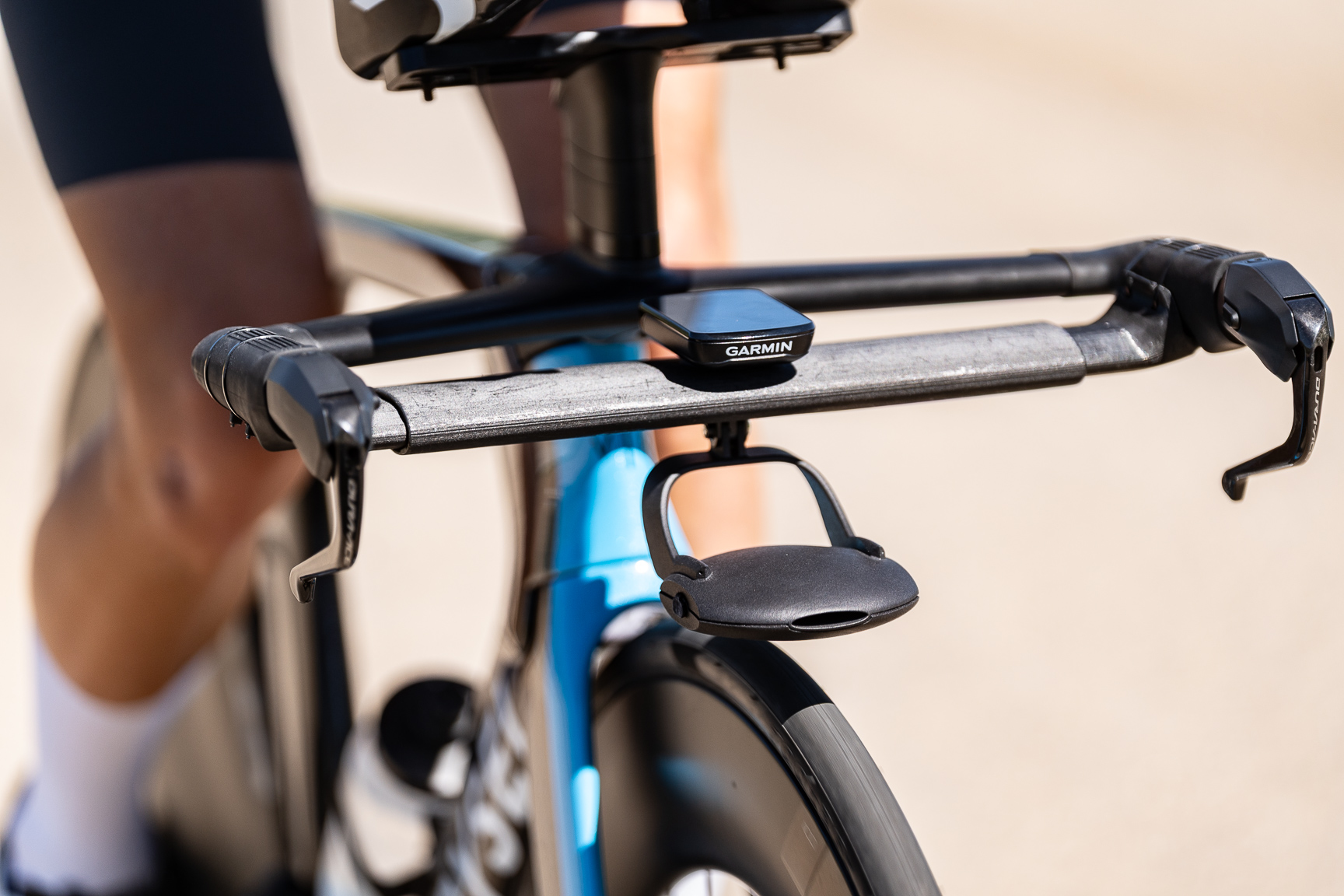
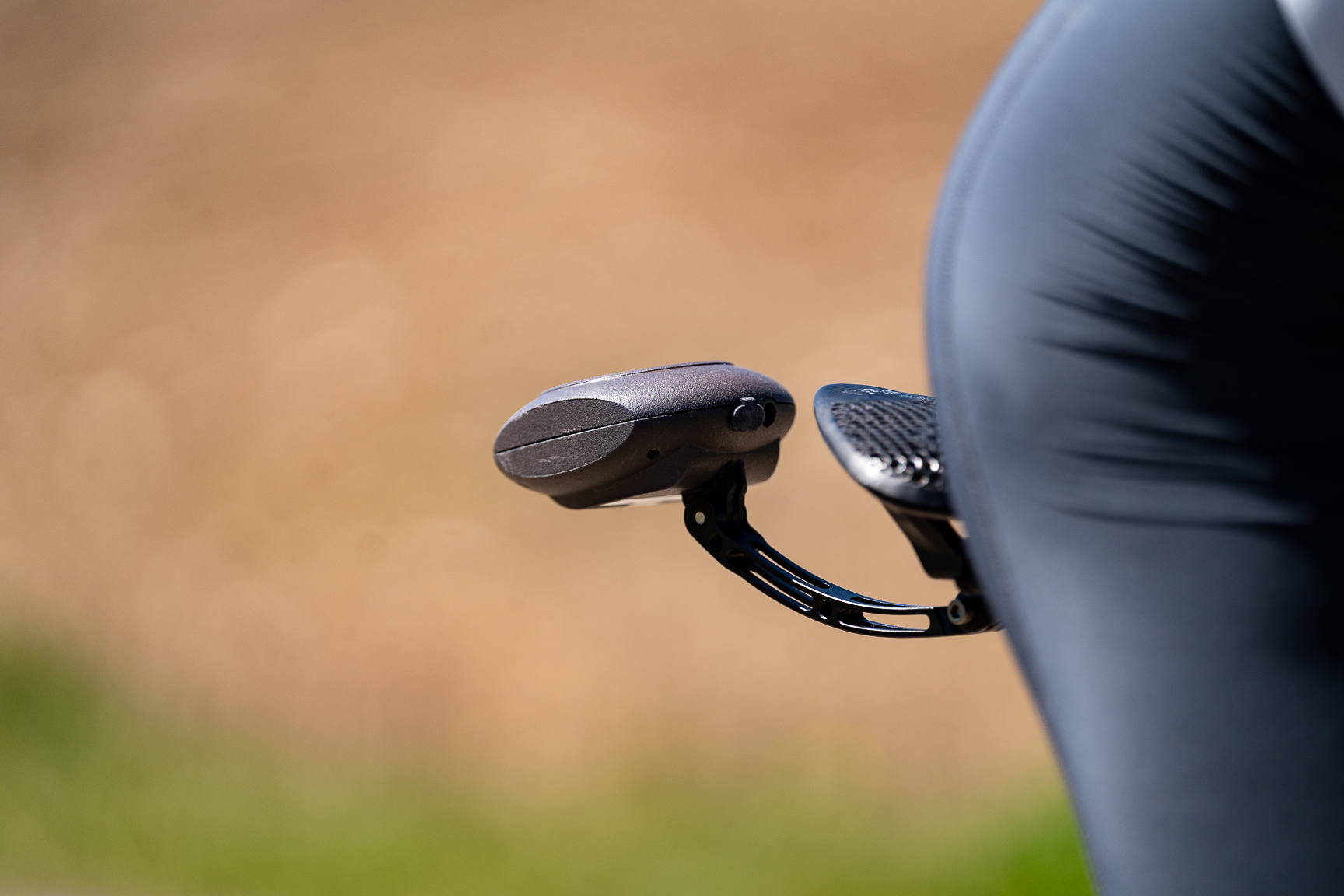
The system is built around two main pieces: a rear RTK module and a front Pitot module.
The rear module is the brain. It uses conservation of energy to compare the mechanical power coming from the rider’s power meter with changes in speed and elevation. To do that cleanly, it needs very accurate speed and altitude data.
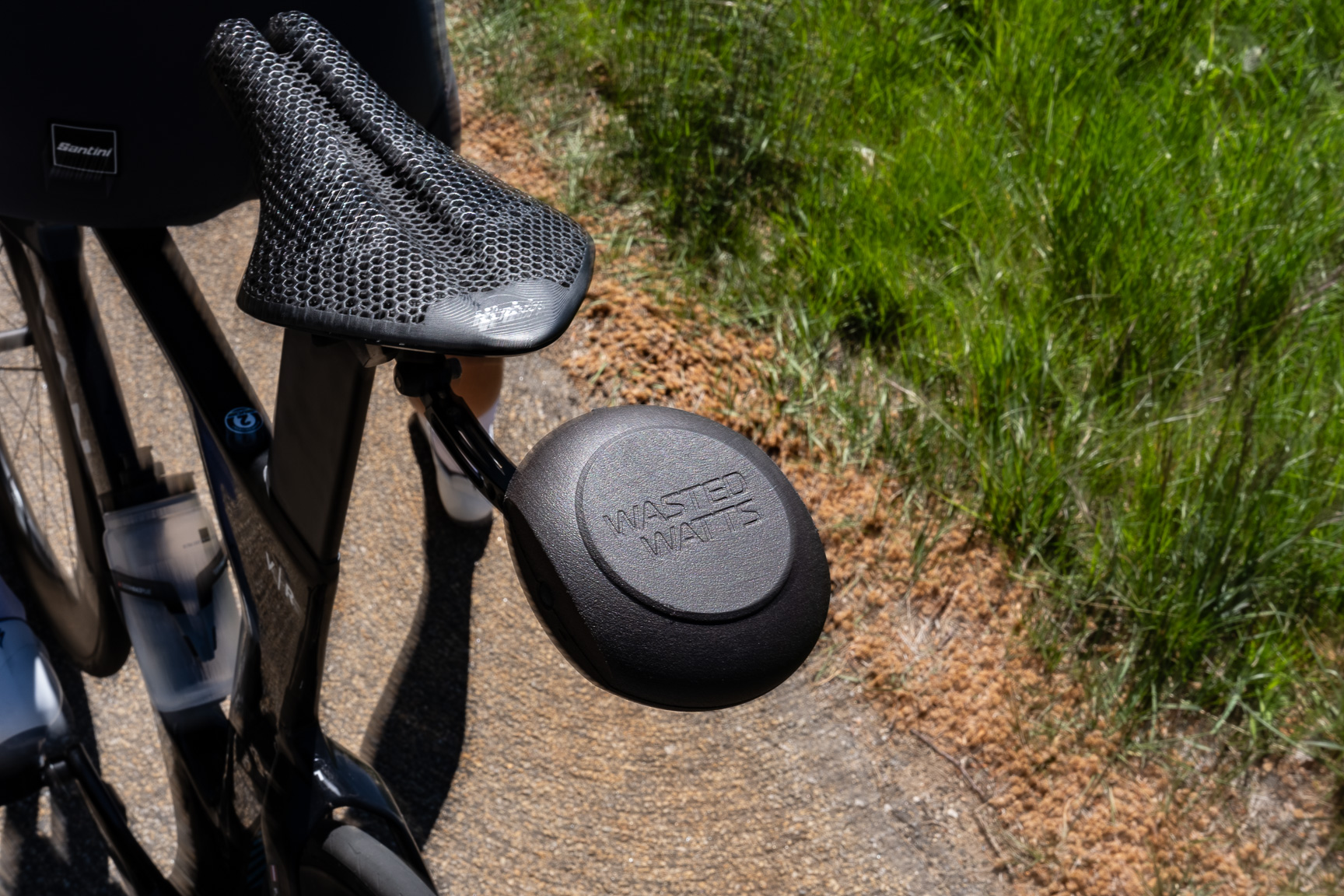
Speed comes from a magnetic rear-wheel sensor that tracks tiny changes in wheel rotation down to the microsecond. Altitude comes from GPS RTK (Real-Time Kinematic) correction. That’s the fancy surveying-grade GPS tech that gets much more precise than standard GPS or even a good barometric altimeter.
Why does that matter? Because bad elevation data can wreck outdoor aero testing. A tiny rise, dip, or lag in altitude can make the numbers noisy. Aeroscale says its RTK system gives centimeter-level altitude resolution, which should mean cleaner data and less need to smooth everything into mush.
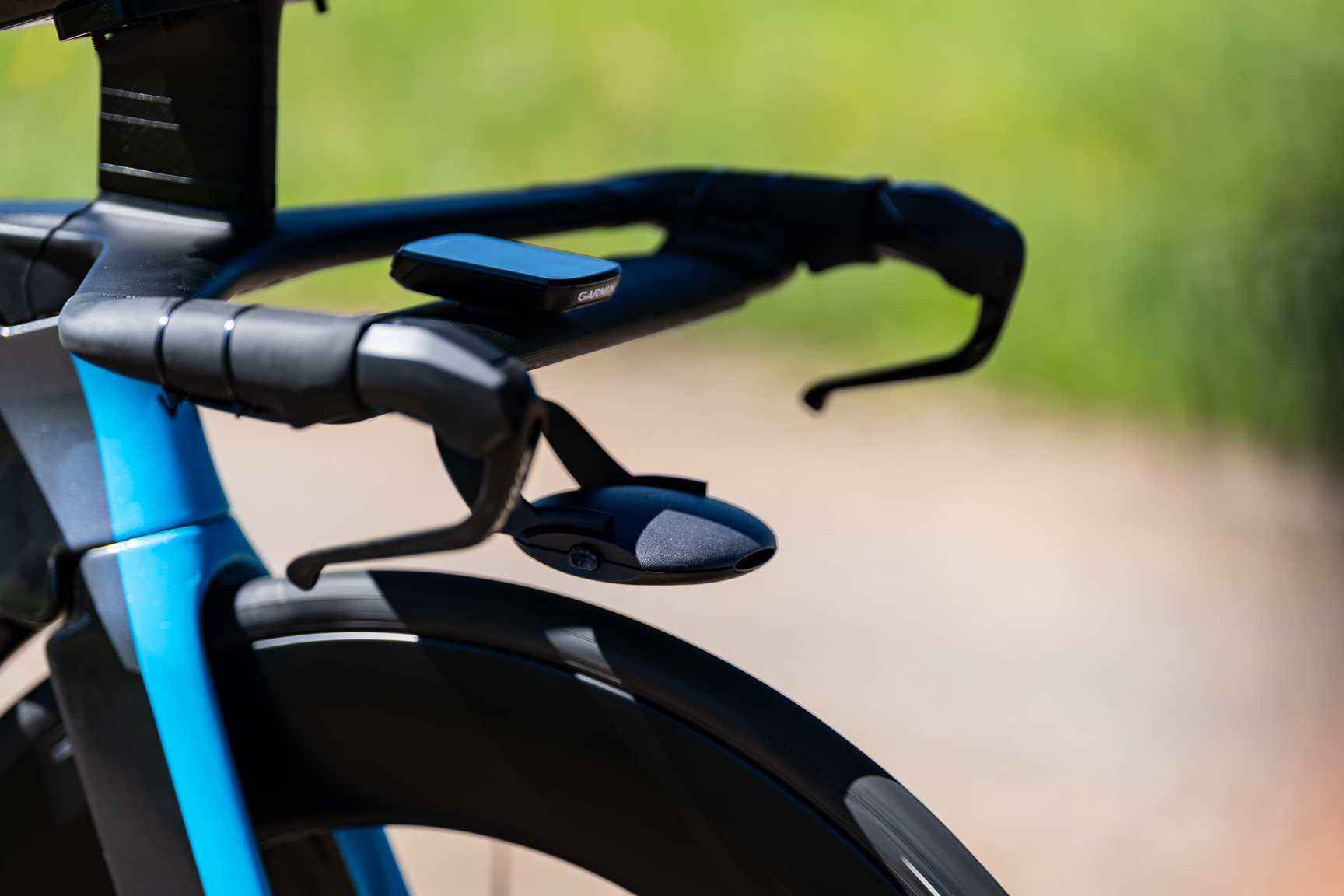
Up front, the Pitot module measures airspeed. That’s the other half of the puzzle. Ground speed doesn’t mean much if you don’t know what the wind is doing. Riding 28mph with a tailwind and riding 28mph into a headwind are very different days at the office.
By measuring airspeed, Aeroscale can separate the rider and equipment from the wind. That’s how it turns raw losses into what it calls Normalized Wasted Watts, with a claimed accuracy margin of less than 1 watt.
That is a bold claim. If it holds up, this thing could get very interesting.
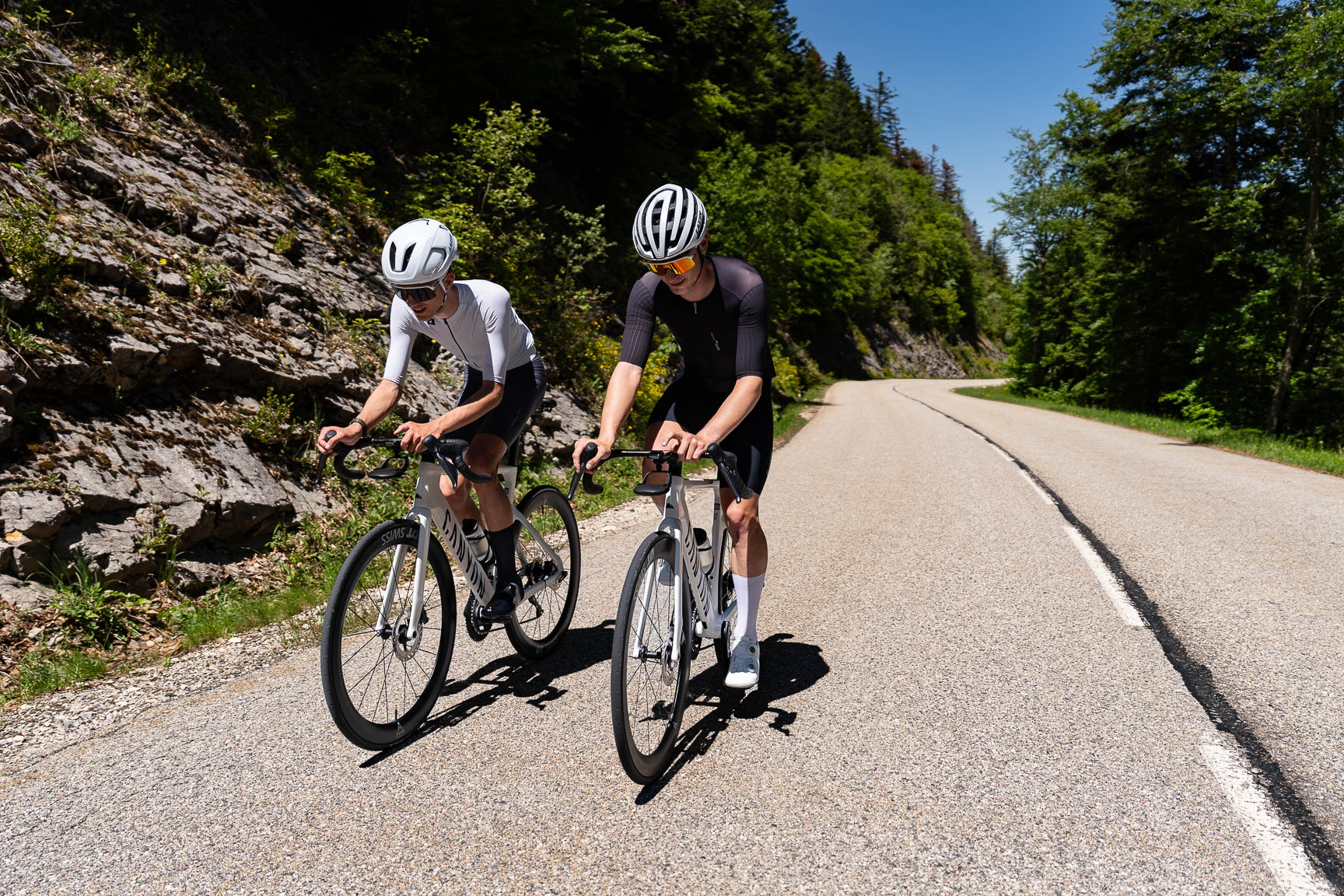
No Parking Lot Calibration Ritual
Outdoor aero tools can be powerful, but they can also be annoying. Weight inputs, rolling resistance guesses, sensor offsets, calibration runs, wind checks, more setup, more second-guessing.
Aeroscale says its system uses self-calibration algorithms to skip most of that.
No rider-weight setup. No rolling resistance calibration. No probe calibration. The company calls it Plug & Ride: install it, pair it, and go.
That might be the most important part of the whole thing. Data is only useful if riders actually use the tool more than once. If the setup feels like prepping a satellite launch, most people will leave it in a drawer by week three.
What Can You Actually Test?
This is where the Wasted Watts Tracker makes the most sense.
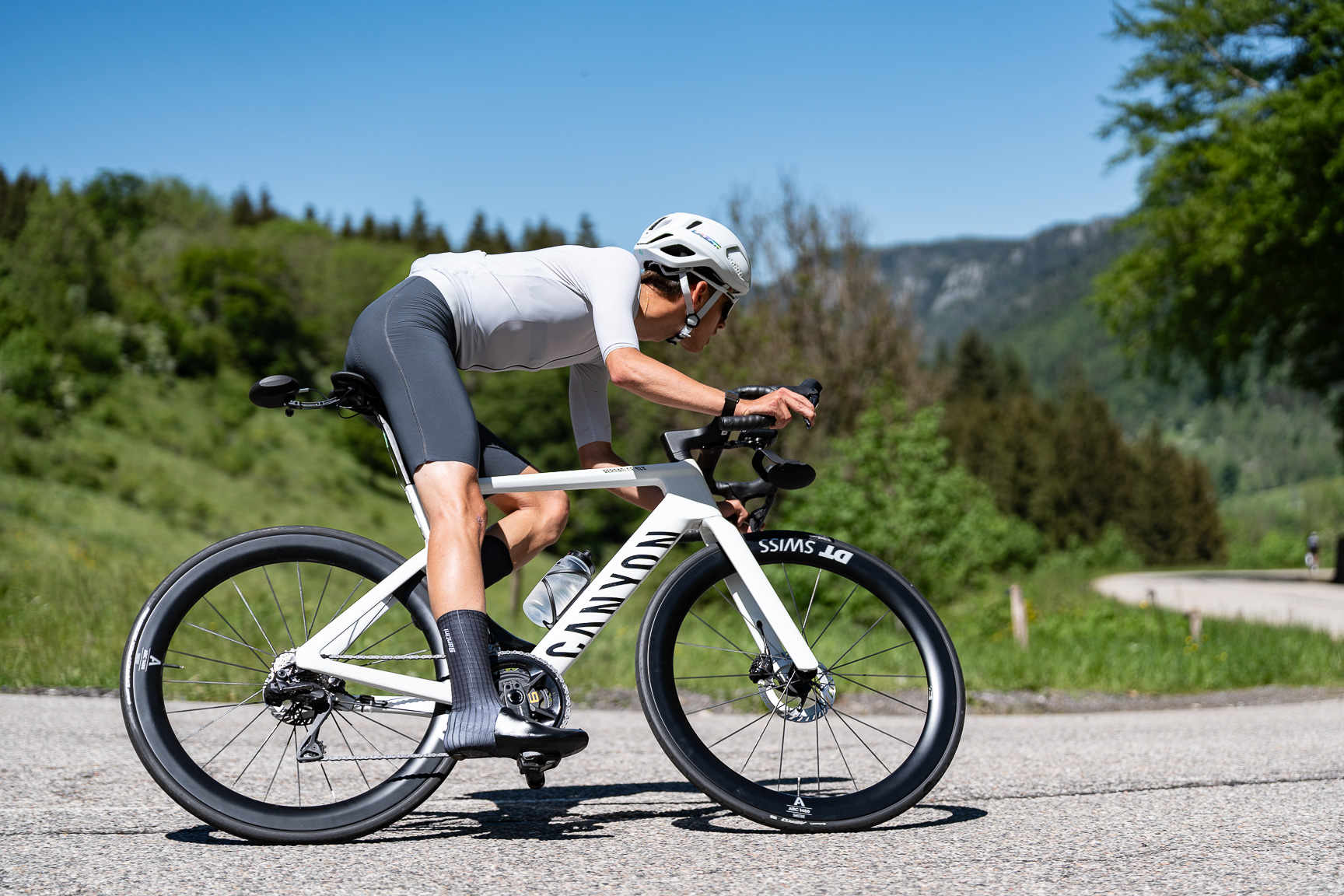
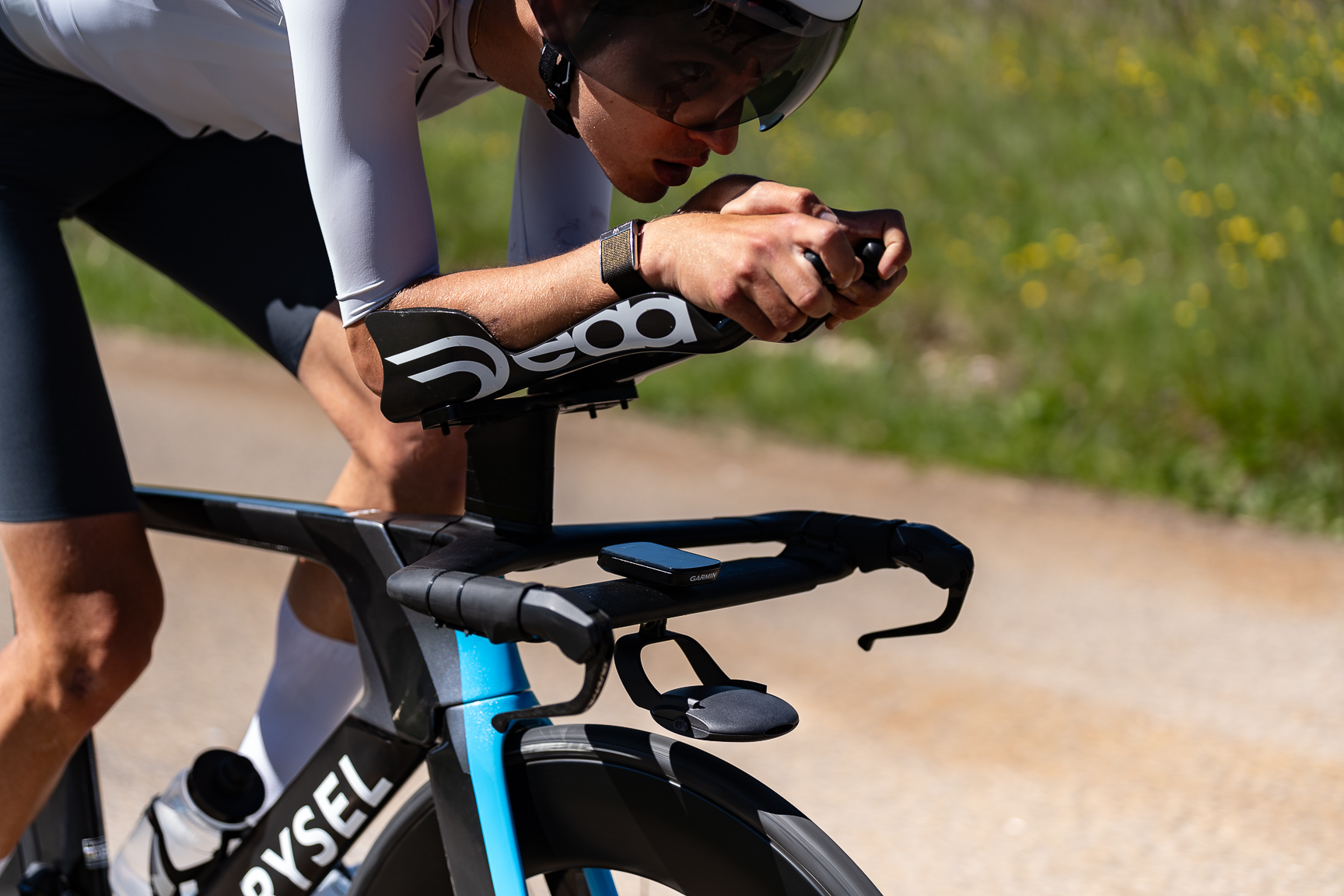
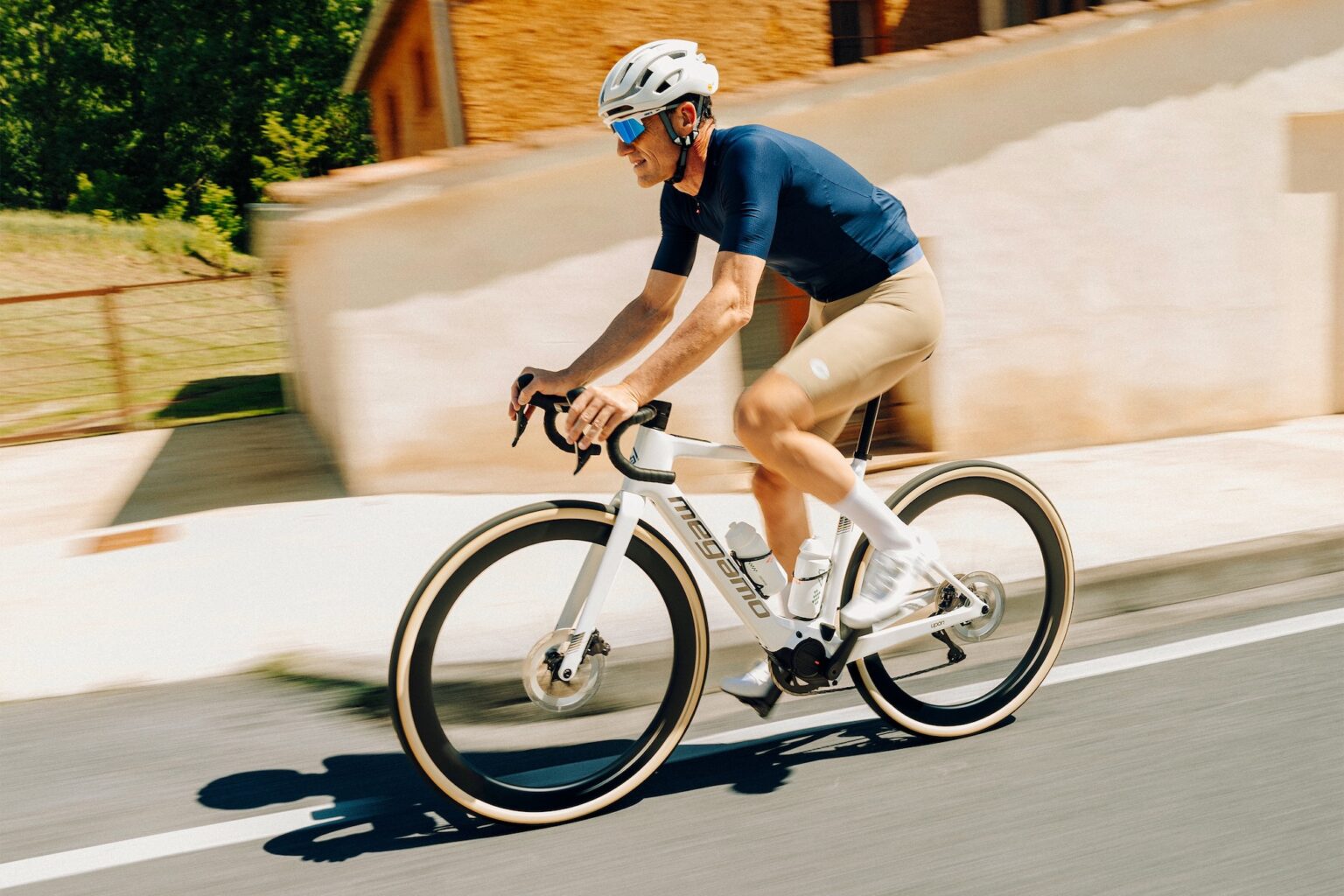
You could use it to test position changes. Hands-on hoods versus drops. Narrow shoulders versus relaxed shoulders. Head tucked versus head floating around in the wind like a golden retriever out of a car window.
In theory, you could test: Wheels, tires, tire pressure, clothing, aero socks, bottles, helmet choice, or drivetrain condition. Even though your position changes late in a ride when your “fast tuck” slowly becomes “survival posture.”

That last one might be the sneaky win. Everyone can look at the aero for five minutes. Holding that position after two hours, in the wind, while still making power? That’s different.
Real-time feedback could help riders learn what fast actually feels like. Not what looks fast in a photo. Not what someone on the internet said is fast. What is fast for that rider, on that bike, on that road?
Aeroscale Wasted Watts Tracker – Kickstarter Pricing
The Aeroscale Wasted Watts Tracker is now live on Kickstarter at $1,899. Final retail is expected to be $2,499.
That’s not casual money. But wind tunnel time isn’t cheap either, for example;
A2 Wind Tunnel in North Carolina lists testing at $595/hr solo or with your own coach, or $645/hr with an A2-provided coach. They also note a 2-hour minimum, so a normal session is around $1,190–$1,290 before travel and extras.
Bare tunnel time: about $600–$700/hr
Useful 2-hour session: about $1,200–$1,500
Coached aero session: about $1,500–$2,500+
Add travel, bike shipping, hotel, coach travel, etc.: it gets expensive fast, and that doesn’t factor in the kit you need to buy because the stuff you brought is “slow.”
Kickstarter backers also get lifetime access to the GPS RTK correction feed. After the campaign, Aeroscale says that service will cost $9.99 per month.
That subscription bit matters. The correction feed isn’t just a nice extra. It’s part of how the system achieves the precision it claims. If you’re jumping in early, lifetime access is probably one of the better parts of the launch deal.
That’s the question.
And for the right rider, it might be the number that matters most.
The post Aeroscale Wasted Watts Tracker Shows You Where Your Power Is Disappearing appeared first on Bikerumor.









 English (US) ·
  French (CA) ·