

PROTECT YOUR DNA WITH QUANTUM TECHNOLOGY
Orgo-Life the new way to the future Advertising by AdpathwayThe USDA has opened a comment period for its Draft Environmental Impact Statement regarding the rescission of the Roadless Rule, which restricts new road building on 45 million acres of public land across the United States. Find details to learn how to share your voice here…
On August 19, the United States Department of Agriculture (USDA), which oversees the US Forest Service (USFS), announced it was opening a comment period for its Draft Environmental Impact Statement (EIS). This decision would affect almost one-quarter of the land that the USFS manages across the United States, from Puerto Rico to Alaska and from North Dakota to Texas. The Roadless Rule was established in 2001 after extensive public input; at the time, the rule set a record for the most public comments in support of an administrative rule ever, as reported by Outdoor Alliance.
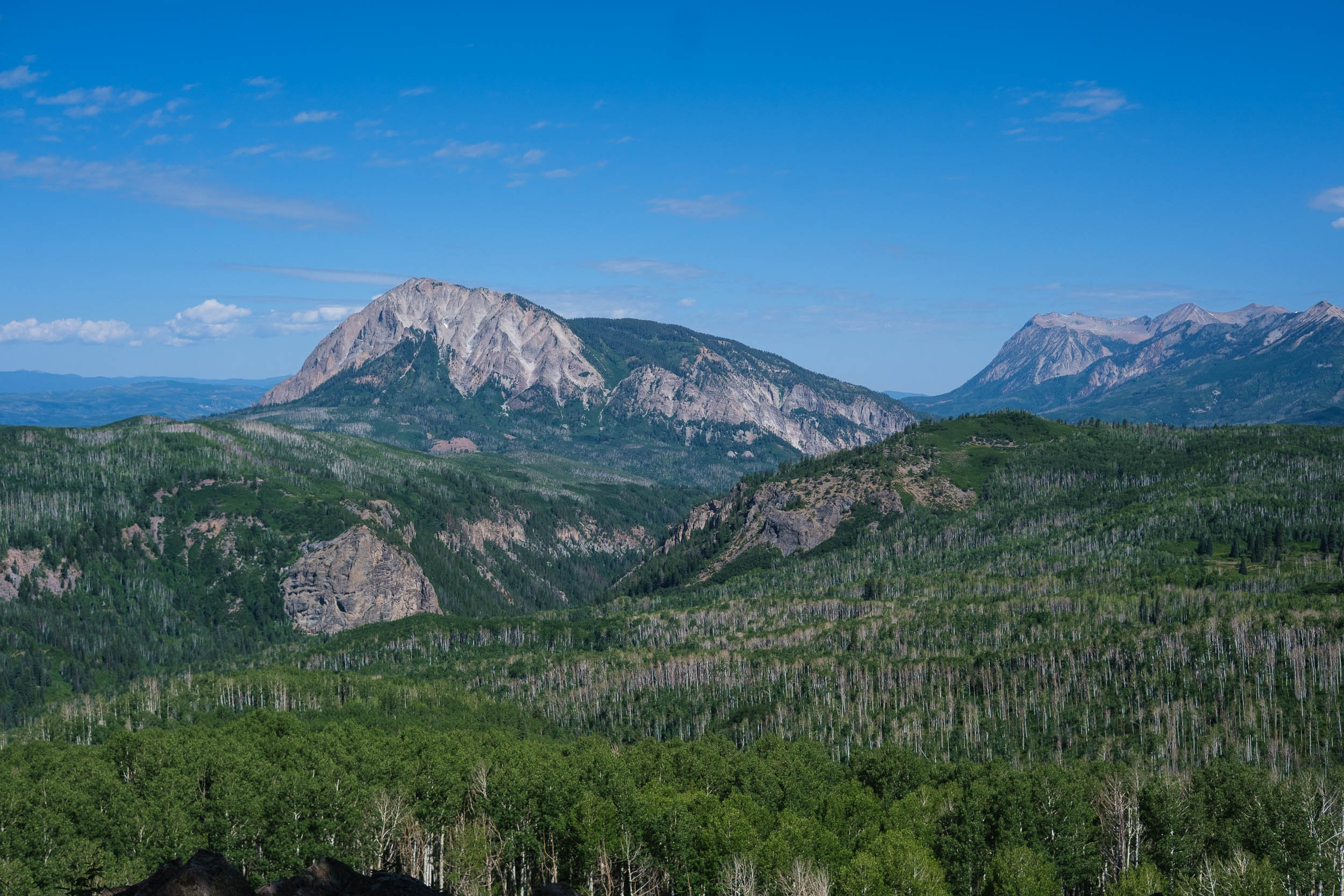
In its announcement, the USDA claims this action is designed to provide greater access to areas currently protected under the Roadless Rule. Conservation and outdoor recreation organizations like the Natural Resources Defense Council claim the rescission is part of an effort to open some of the last intact and unbroken ecosystems in the country to extractive industries like commercial logging, mining, and drilling. The administration cites increased wildfire risk for the need to gain mechanized access to these areas. This comes almost exactly one year after the One Big Beautiful Bill mandated the USFS increase timber harvest production by 250 million board feet per year, every year, until 2034. According to the USFS, 95% of wildfires are started by humans.

Leaving alone the ecological, climate resilience, clean air, and water benefits that intact ecosystems provide, the amount of recreational resources at risk by this action are simply staggering. According to Outdoor Alliance, roadless areas are some of the last undeveloped backcountry landscapes in our national forests, places where people hike, climb, bike, paddle, ski, hunt, and explore. The proposed rescission will roll back protections on more than 25,000 miles of trails, 10,000 climbing routes, nearly 1,000 miles of whitewater, and more than 10,000 miles of mountain biking.
Routes such as The Real Pisgah, Ouachita Triple Crown, and the Tahoe Twirl are just a small sample of the routes on our website that would be impacted by rescinding the Roadless Rule. This map allows you to toggle the proposed alternatives from the Draft EIS on and off to see the impact. There are likely some closer and more personally meaningful to you than you think. Here is what the alternatives mean:
- Alternative 1 means no changes happen and all inventoried roadless areas remain protected in the same way they have been for the last 25 years.
- Alternative 2
- Alternative 3 means most inventoried roadless areas will be opened to logging, including almost all roadless areas in the east outside of West Virginia.
means the entire 2001 Roadless Rule will be rescinded.
Comments are due by midnight on Monday, September 21, 2026. To make sure your comments are taken seriously, read the official recommendations for making your comments effective on Regulations.gov. Most notably, avoid simply agreeing or disagreeing with a proposal. State the personal impact the rule change will have on you, your community, businesses, friends, or family. Or cite any inaccurate, illegal, or improper statements, findings, or procedures you find within the EIS and make suggestions as to how to remedy them, including selecting a particular alternative action from the proposal. The latter option is truly the most effective but requires substantial time, energy, and a basic understanding of the National Environmental Policy Act (NEPA) and federal administrative rule-making. Still, don’t let this discourage you from taking action. Outdoor Alliance has made it very easy for your voice to be heard by using their form linked here.
Official comments can be submitted online with the federal register here.
Further Reading
Make sure to dig into these related articles for more info...
Please keep the conversation civil, constructive, and inclusive, or your comment will be removed.













 English (US) ·
  French (CA) ·