

 3 days ago
16
3 days ago
16
PROTECT YOUR DNA WITH QUANTUM TECHNOLOGY
Orgo-Life the new way to the future Advertising by AdpathwaySports|Putting Formula 1 on TV Is a Complex Operation
https://www.nytimes.com/2026/06/05/sports/formula-1-television-production.html
You have a preview view of this article while we are checking your access. When we have confirmed access, the full article content will load.
There are more than 100 technicians and cameras at these global races, and a mission control that monitors everything in England.

June 5, 2026, 1:12 p.m. ET
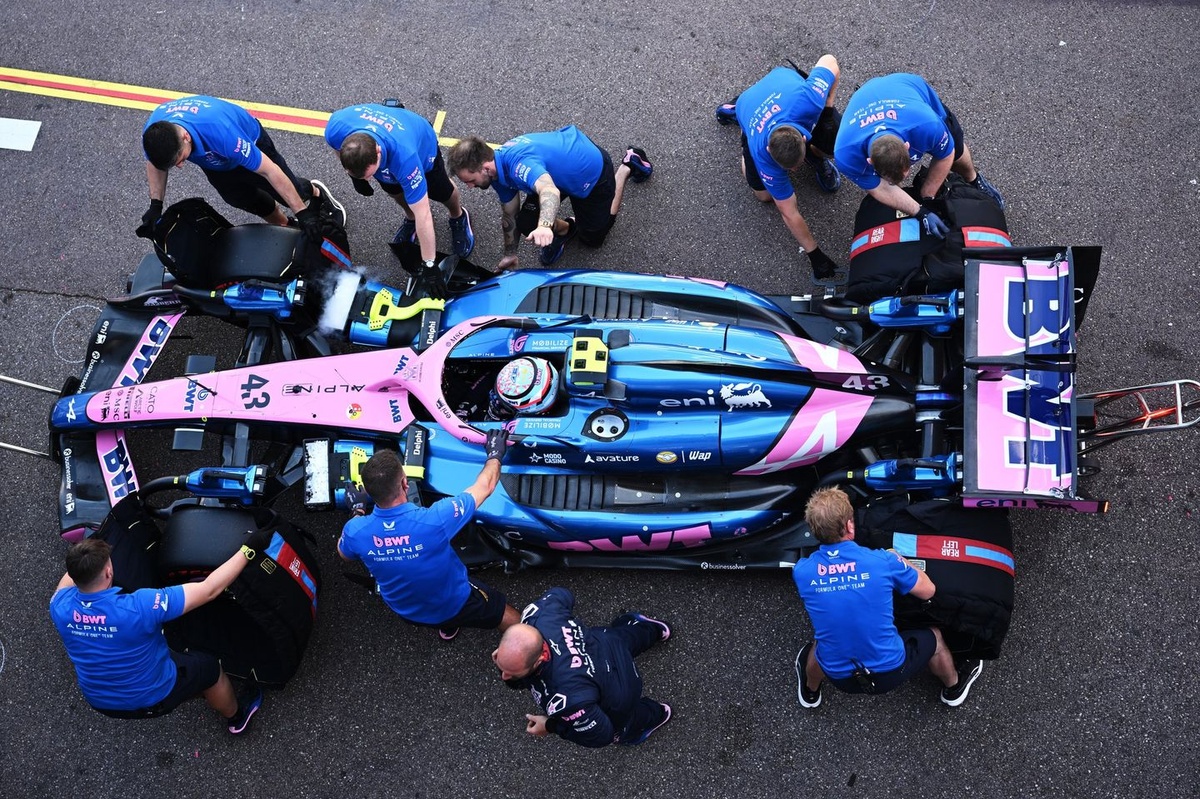
Formula 1 travels around the world, and conveying the fast-paced action to its TV audience is vital to the sport’s success.
Unlike most other sports, Formula 1 controls its own broadcast feed, transmitting the video for a global television audience, and the majority of the work is done from Biggin Hill, a rural town in southeast London, once an Royal Air Force base.
It is one of the most challenging sports to broadcast.
“Formula 1 is all about stuff happening very fast around a large piece of track,” Dean Locke, director of broadcast, digital and media, said during a tour of its facility in April. “Instead of two teams, one ball, small pitch, we have a massive pitch. And 22 ‘balls’ go around all doing their own stories.”
Formula 1 has a TV mobile unit that travels to each Grand Prix, but it works in tandem with the command center at its Media and Technology Center at Biggin Hill. Around 150 technicians are spread across dimly lit rooms in the Biggin Hill center, each with a plethora of screens, akin to a space launch, tasked with selecting videos, preparing replays, creating graphics and grabbing radio messages from drivers.
There are around 150 potential feeds, Locke said, about 100 of which come from the four or more cameras on board each car. The crew works four days at Grands Prix and also covers Formula 1’s support races, like Formula 2, as well as other weekend action, like news conferences and entertainment events. There are high-pressure moments, such as the end of qualifying and the start of the Grand Prix itself.
“It’s very difficult to direct them when they’re trying to pan it, 200 miles an hour,” Locke said. “But you trust them. And we do use some really experienced motorsport camera operators that have been doing it for a really long time all around the world.”









 English (US) ·
  French (CA) ·