

 21 hours ago
4
21 hours ago
4
PROTECT YOUR DNA WITH QUANTUM TECHNOLOGY
Orgo-Life the new way to the future Advertising by Adpathway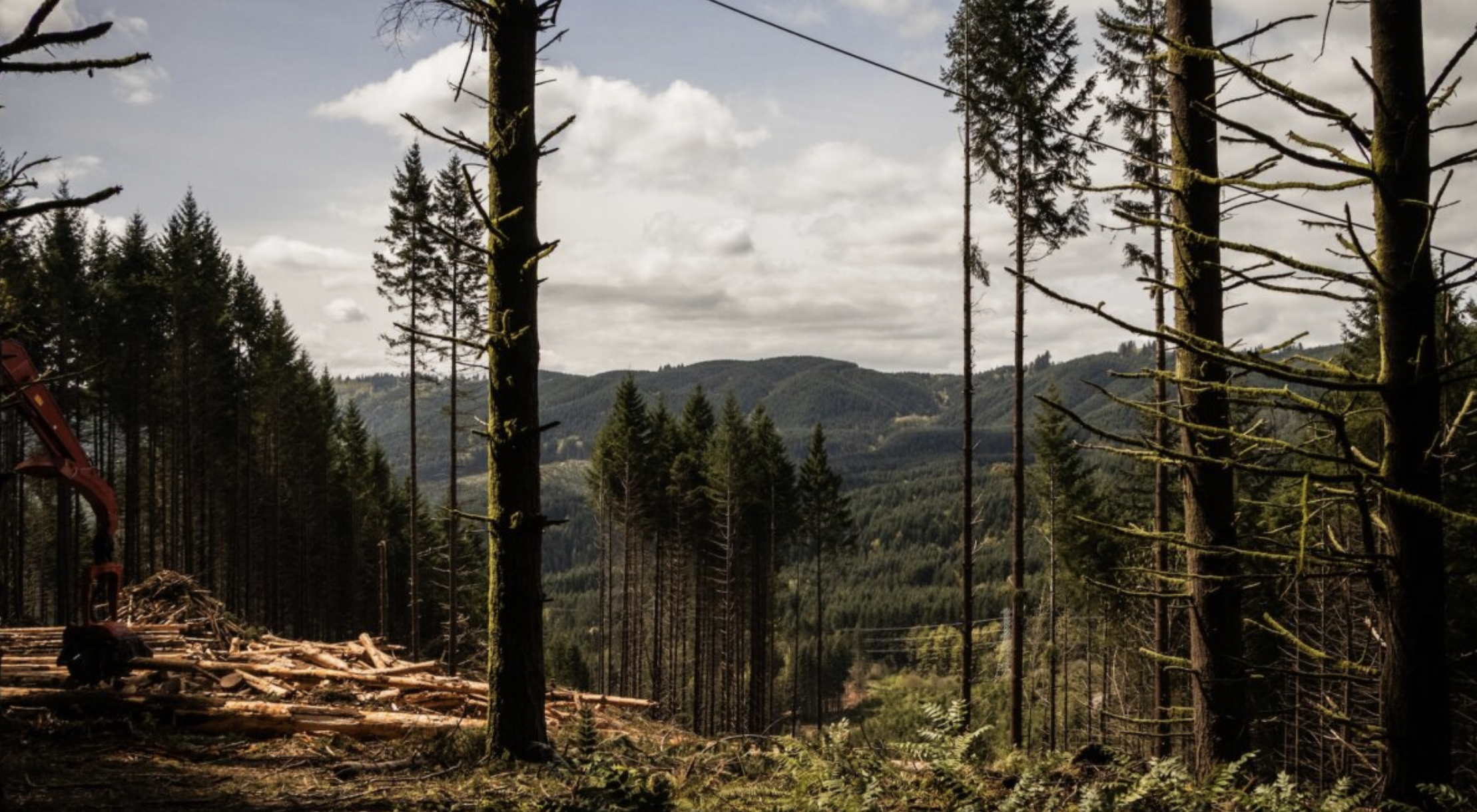 Photos: Sean Benesh
Portland, Oregon, doesn’t necessarily stand out as a Pacific Northwest mountain bike destination. While the city certainly sits at the top of the “bike-friendly” list, that friendliness hasn’t always extended to singletrack.
With 12 new trails at nearby Rocky Point that have opened in recent years and a new trail system at nearby Cascade Locks, the Northwest Trail Alliance (NWTA) is working to change that. And at some trail systems, they are doing it a bit differently than other trail organizations.
Bike-friendly, but singletrack-friendly?
Portland is one of the most pro-bicycle cities in the United States. The city boasts over “400 miles of bikeways,” with bike lanes and corridors incorporated into many of the city’s streets. That 400 miles includes 100 miles of multi-use bike paths, where vehicles aren’t allowed.
But with regard to Portland’s bike access on dirt singletrack, NWTA’s Executive Director Lisa Olivares told us that the numbers drop significantly.
“It’s 2% of singletrack,” she said. Factors such as “NIMBY” residents have historically stalled trail development. In some instances, mountain bikers have lost access to trails altogether.
But it isn’t all bad. In recent years, NWTA has worked with Portland Parks and Recreation on projects like Gateway Green in northeast Portland. The urban mountain bike park was built between two interstate highways and includes progressive jump lines along with a small mix of shorter, singletrack trails.
For NWTA, parks like Gateway Green have been a good start, but they’d like to see more.
“The reality is that we need to replicate that in every quadrant of the city,” Olivares said. “There needs to be better connectivity. There needs to be better access.”
Rocky Point
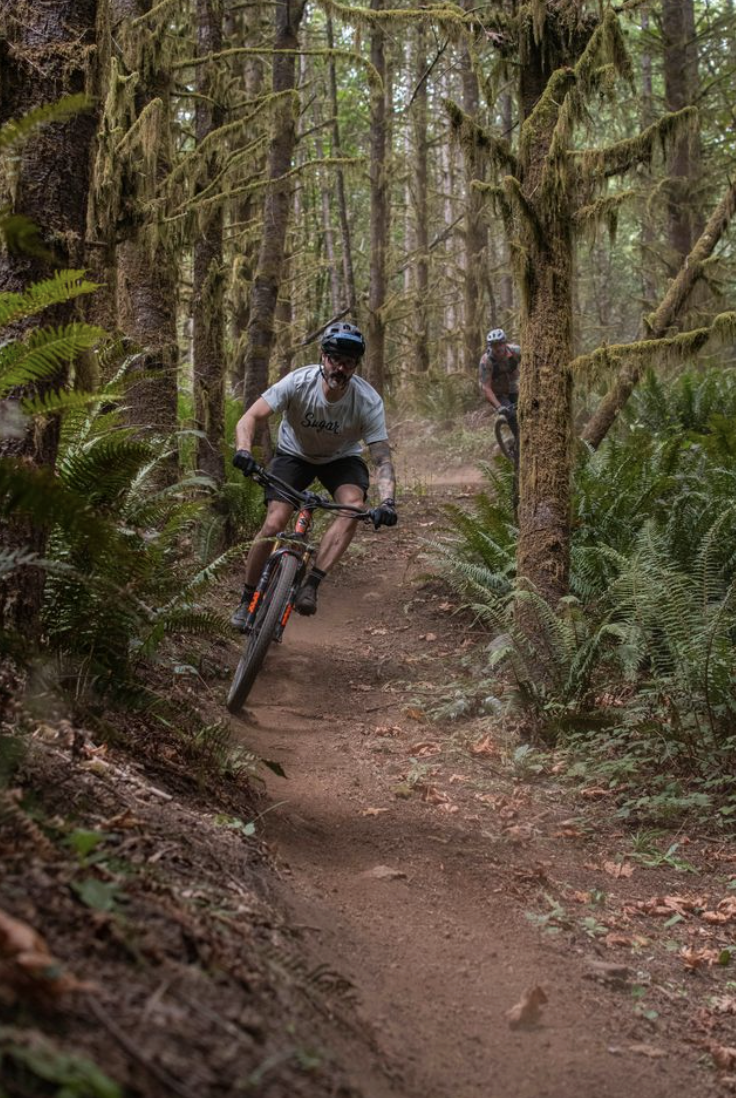
Because trail development has been so slow-going within Portland city limits, NWTA has also focused on trail systems in smaller, surrounding areas. One of them, Rocky Point, is near the small town of Scappoose.
The land has long been privately owned, usually by timber companies, and is also a longtime haven for mountain bikers and trail builders in the Portland area. The timber companies essentially looked the other way, unconcerned with new trails popping up in areas where they were cutting.
A clear-cut would destroy trails, and building would start again.
But as Rocky Point’s popularity grew, the then-owner wanted to make sure they wouldn’t be liable for potential injuries on their land. So, rather than shutting down the trails, they approached NWTA about stewarding the growing trail system. In 2019, NWTA officially brought Rocky Point into its network, establishing it as a zone that is both open and closed to the public.
Technically, anyone can ride. However, you first need to become an NWTA member and sign a waiver. This way, both the landowner, who is actually now Oregon State University, and NWTA know the riders have signed a liability waiver and understand how the process works.
12 new trails in the last few seasons
Since Rocky Point remains privately owned, the trail development process has traditionally been much easier. NWTA works closely with the landowner to approve new trail proposals, with which there have been 12 in the past few seasons.
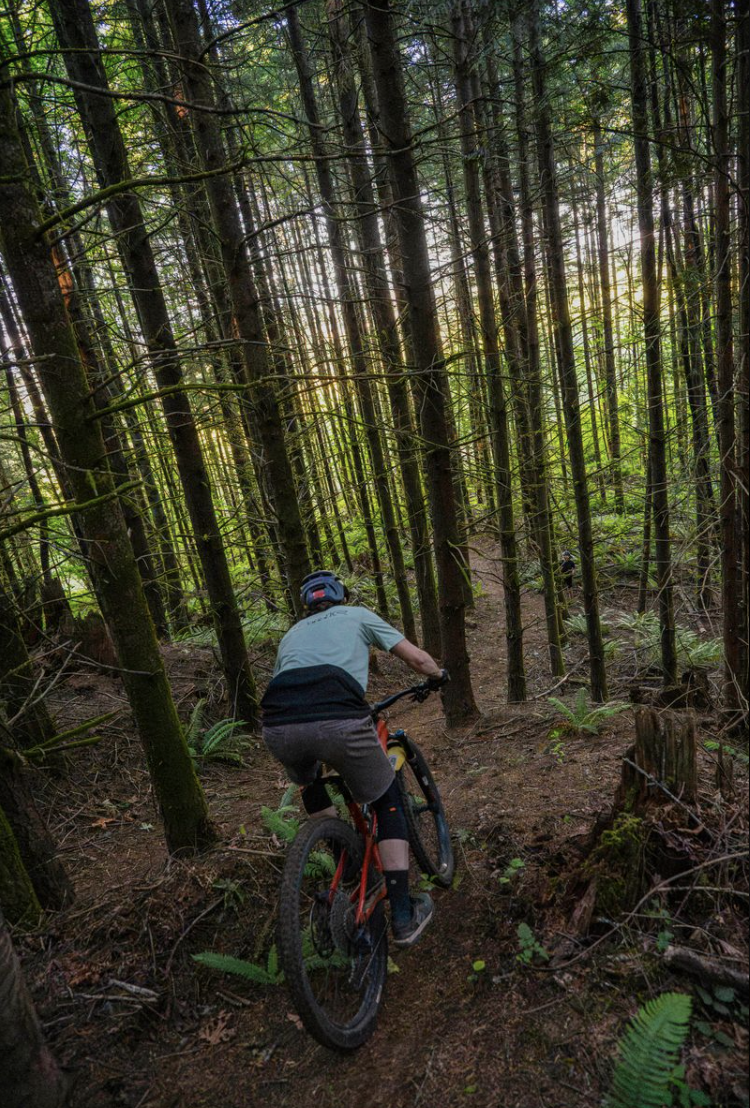
While all skill levels can find a trail to ride at Rocky Point, most trails are advanced. Especially in the southern part of the system, where much of the new trail development happened, the trails are blue, black, and double-black.
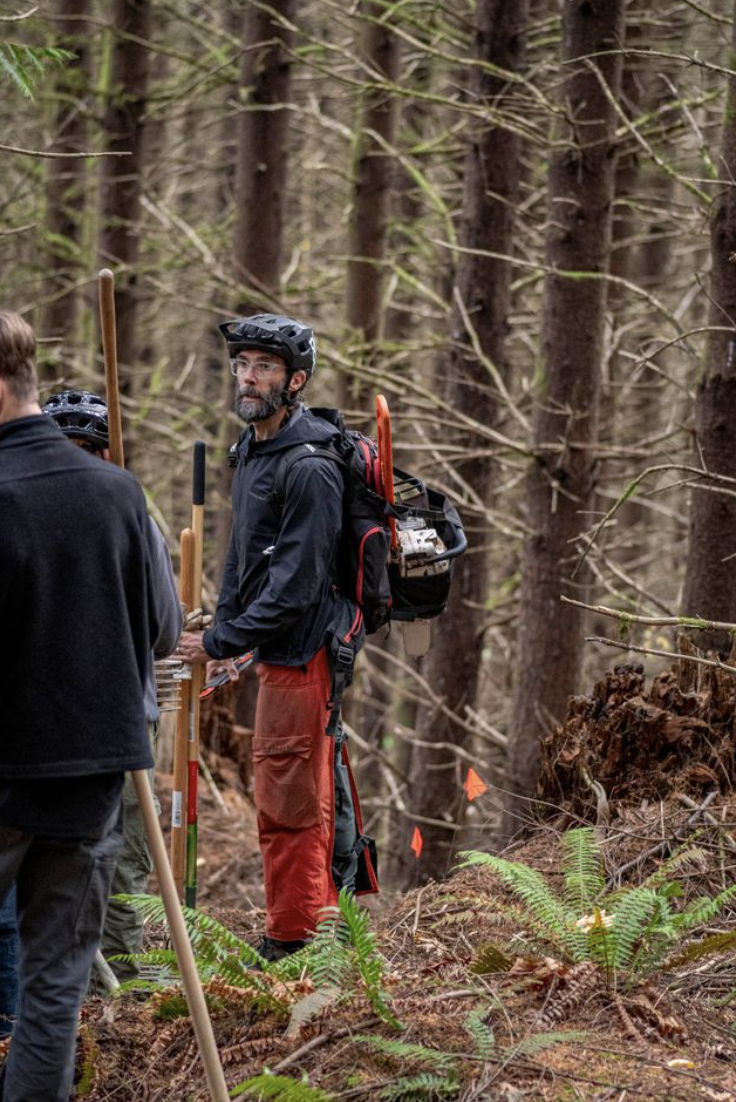
And the terrain matches. Steep, loose, rooty, and janky descents challenge most riders, with “downhill only” signs commonly spotted. New trails like ‘85 (upper and lower), Steepfake, Hanky Panky, and Runaway Return all fall into the black or double-black diamond category. While most are on the shorter side, Runaway Return stretches from top to bottom, nearly a mile and a half long, with almost 1,000 feet of descent.
But the new additions aren’t just on the advanced side. Trails like Moss Alley, Ernie’s Journey, and Gritty Kitty are all intermediate. Gritty Kitty is just over half a mile long, drops 450 feet, and has a solid mix of flow, steeps, and catch berms. Riders can take it easy or push hard, turning rollers into optional doubles and carrying more speed by staying off the brakes a bit longer.
“The vision for [Gritty Kitty] was to be a trail on the south side that was approachable for everybody, but it wasn’t a green trail,” Carrie Johnston, NWTA’s Board Secretary, told us. “We wanted to build something that expert riders could enjoy and wanted to do again and again.”
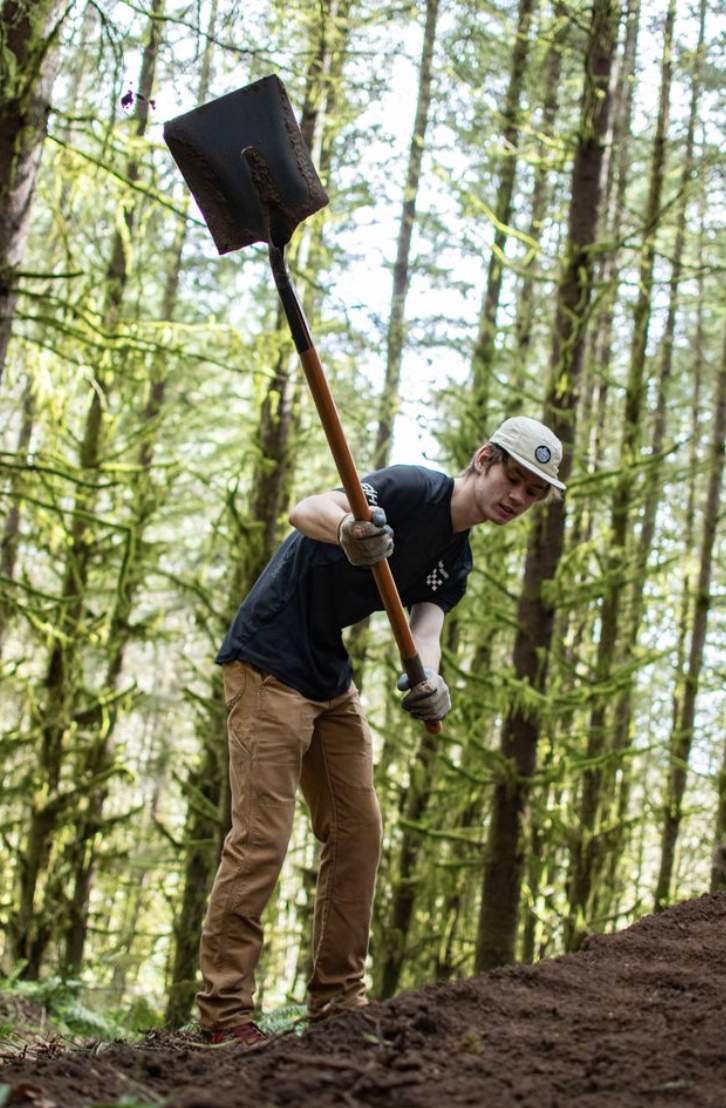
NWTA does its best to give local trail builders considerable agency over new trails. Many of the new trails mentioned weren’t built by the trail club alone, but in partnership with other groups, like bike shops.
While it isn’t a free-for-all by any means, organizations and individuals can be involved with NWTA’s Trail Sustainability Institute, led by Nancy Stone, the Trail Stewardship Director. Stone told us that rather than just “showing up for a trail day,” groups who have completed the training can propose trails for approval. Once approved by NWTA and the landowner, these groups have some freedom in the trail’s design and overall character.
Beyond Rocky Point: Cascade Locks
Rocky Point isn’t the only trail system NWTA is working hard on. While they were working hard to add trails at Rocky Point, they were also building a new trail system at Cascade Locks, about 45 minutes east of Portland.
Cascade Locks doesn’t have the advanced, incredibly steep and loose terrain that Rocky Point has, but rather a good mix of beginner and intermediate options. The beginner trails are a series of stacked loops with different rock options and rollers to push skills.
Moving up from there, Cascade Locks has a good amount of technical blue trails with black options. And, perhaps one of the best things about the new trail system is that it holds up well in the rain, which Portland gets a lot of.
Rocky Point can get rather slick when wet, creating slip-n-slides out of some of the steeper trails. Cascade Locks’ rocky soil drains well, providing an alternative trail system during the rainy season.
And NWTA says more is to come, hopefully at multiple trail systems around Portland. A new beginner loop called Ouroboros was just opened at Cascade Locks. Rocky Point’s timber harvest continues, with a constant cycle of trail closures and reopenings due to logging. From that, new trails often spawn.
And, hopefully, more singletrack will eventually open within the city of Portland itself.















 English (US) ·
  French (CA) ·