

 1 day ago
5
1 day ago
5
PROTECT YOUR DNA WITH QUANTUM TECHNOLOGY
Orgo-Life the new way to the future Advertising by AdpathwayPublished August 27, 2026 12:03PM
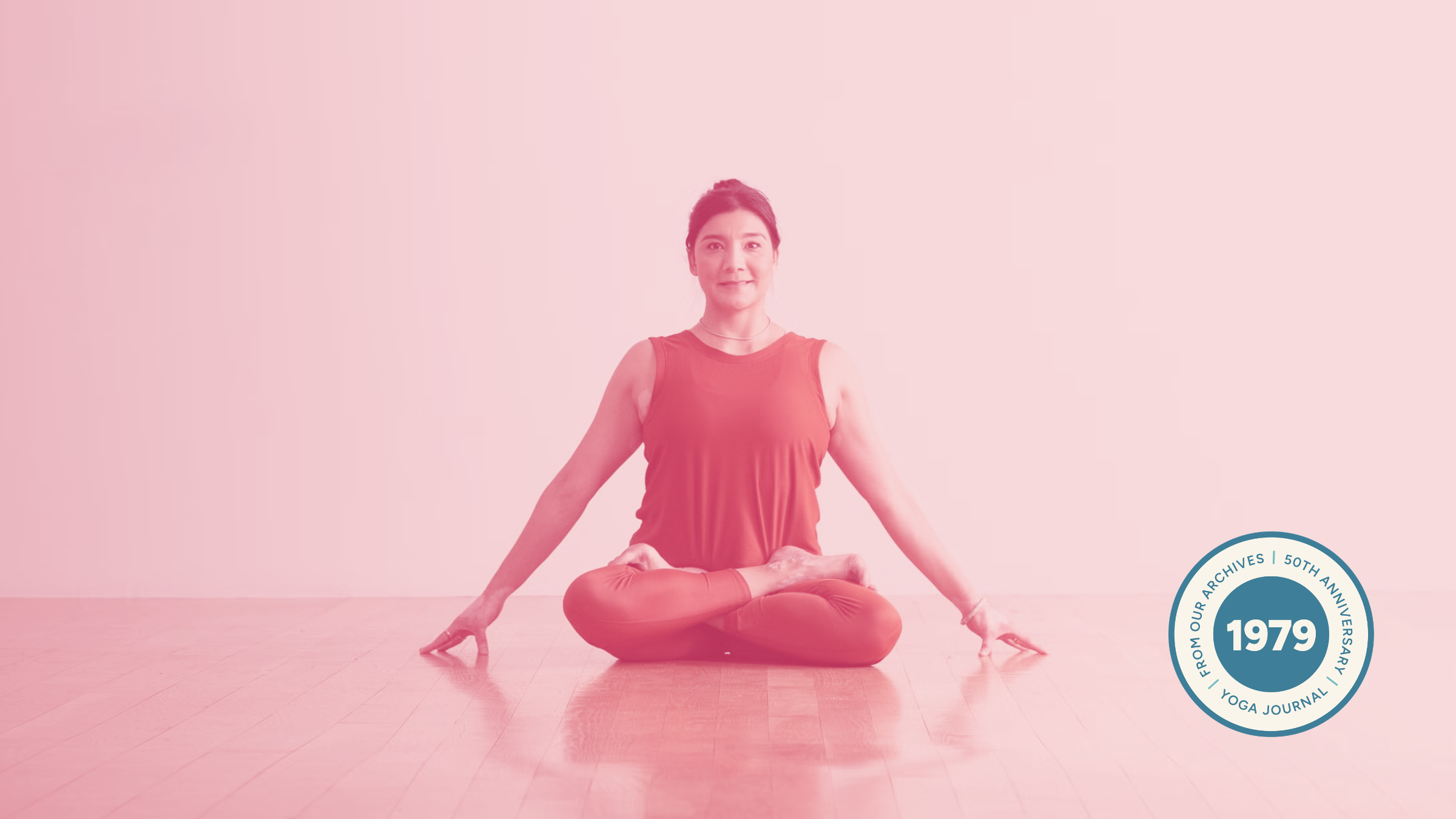
In Yoga Journal’s Archives series, we share a curated collection of articles originally published in past issues beginning in 1975. This article about Wide-Angled Seated Forward Bend (Upavistha Konasana) first appeared in the May-June 2002 issue of Yoga Journal. Find more of our Archives here.
If you watch another yogi do his or her practice, several different things can happen. You may feel inspired, gain insight into the next step on your path, or find that this yogi becomes a role model. On the other hand, you may fall into the trap of comparing yourself and arriving at judgments and conclusions that only serve to undermine your growth and progress in yoga. In making comparisons, you might notice you are stronger than one person, that another balances with greater ease, while a third seems impossibly limber. Such observations are part of human nature, but these evaluations frequently lead to feelings of low self-esteem, pride, competition, and envy.
It’s important to remember that all students have unique gifts and challenges to work with on their yoga journey. Patanjali’s second niyama (rules of conduct) is samtosha, or “contentment.” You can experience samtosha when you remember that you—and the yogi next to you—are exactly where you need to be in your practice, learning just what’s right for you on your unique path. Your timing is perfect. As the Buddhist teacher Pema Chödrön encourages, “Start where you are.”
Feelings of comparison and judgment can easily take place when practicing Upavistha Konasana (Wide-Legged Forward Bend). While some asanas have you looking down at your feet or up at the ceiling, this pose has you sitting upright with a fine view of your classmates. People tend to look around and gasp at the flexibility of some, while feeling stiff and less confident about their own pose.
Preparing to Surrender
Upavistha Konasana addresses the second chakra area of the sacrum, hips, reproductive organs, and groins. Water is the element of this Svadisthana Chakra (meaning “own base center”), prompting us to go with the flow of life. Upavistha Konasana teaches us acceptance and surrender as we open to the adaptive and receptive qualities of water. Instead of resisting how the body, mind, and heart show up in this pose, we can relax into what is, trusting their natural unfoldment with each exhalation.
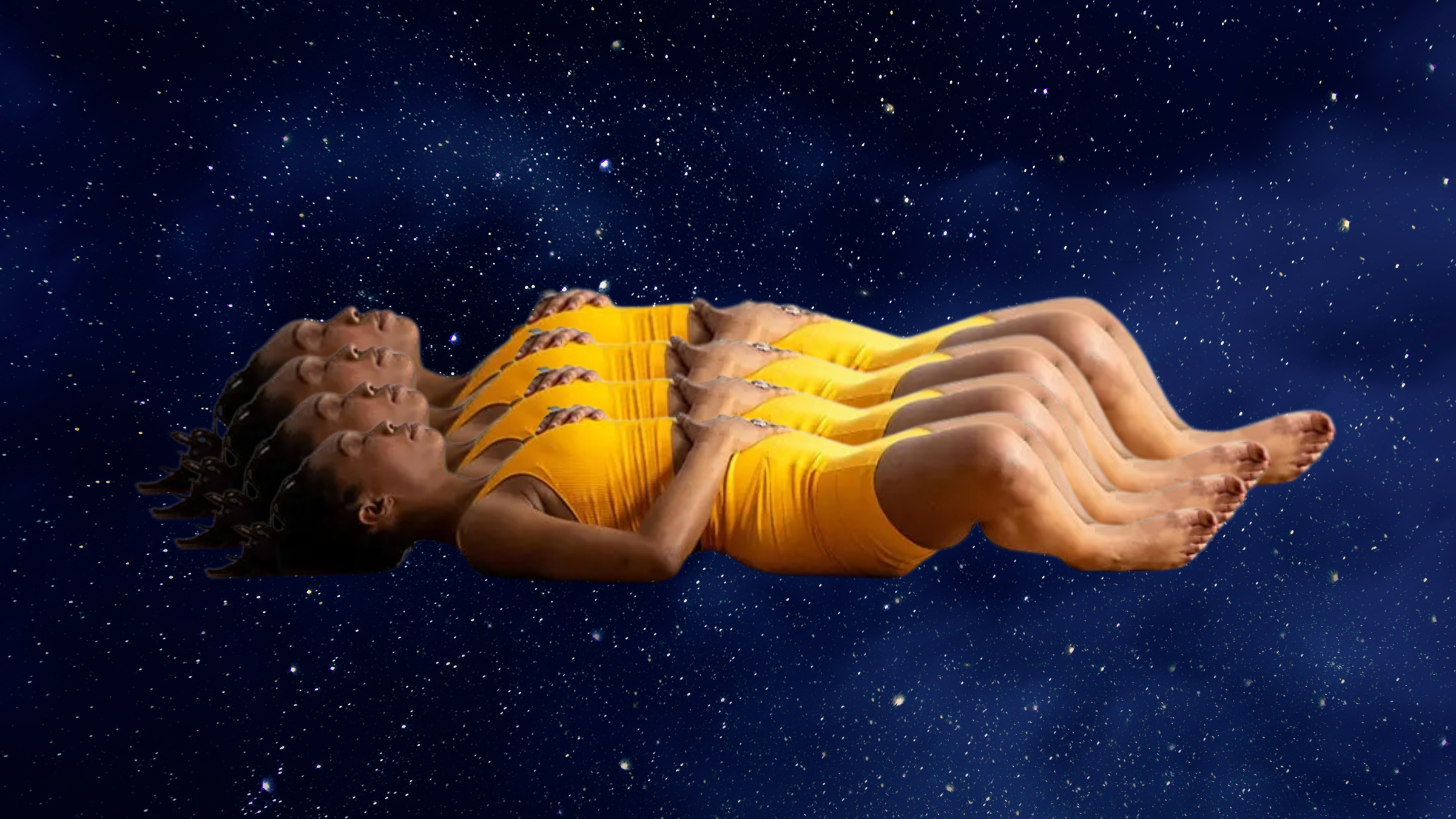
The best way to introduce yourself to Upavistha Konasana is upside down. Sit with your left shoulder close to a wall and your thighs parallel to it. Roll back, and using the support of your elbows and forearms, swing your legs up the wall. Once lying down with your legs up the wall, if you find your lower back is rounded and your tailbone and buttocks are off the floor, move a bit farther away from the wall until your lower back feels sufficiently supported by the ground. If your chin lifts to the ceiling, put a folded blanket under your head. Relax your hands on your belly and feel your breath rise and fall. Drop your shoulders away from your ears. Preparing for Upavistha Konasana can make one vulnerable, so approach it with care, listening inside to make sure your body feels safe as you progress. With the next exhalation, begin parting your legs into a V-shape. Widen them only so far as you can, keeping both legs relatively straight and free of pain in the inner knees. If you do feel pain, bring the legs closer together. Gently reach out through your heels.
The beauty of practicing Upavistha Konasana on your back is that gravity assists you and your back muscles are protected and relaxed on the floor. Gently breathe into sensations as you feel your hamstrings, inner legs, groins, and hips open. However you find your pose showing up today, allow yourself to relax any comparisons or expectations, opening into your pose with self-acceptance and gratitude. After staying five to 10 breaths, use your hands to carefully draw your outer legs together. Bend your knees into your chest and roll to your right side. Let your head be heavy as you use your arms to press yourself up to a seated position.
Extending Fully
To take the pose in the center of the room, sit on the edge of a folded blanket. The height helps you maintain the natural inward curve of your lumbar spine, located at the level of your waist. Have your legs straight out in front of you in Dandasana (Staff Pose). To position yourself onto the front of your sitting bones, take your hands to the flesh of your sitting bones and draw the skin back and up.
Create Upavistha Konasana by spreading both legs evenly in a V-shape away from your torso. Place your fingers behind you on the floor to encourage your lower back to move forward so that your spine is erect, not rounded. You want your kneecaps and toes to face the ceiling, so carefully roll your legs either in or out as necessary. Be on the center of the back of each heel, gently lengthening the Achilles tendons and heels away from the knees. Sink your thighs and sitting bones down, and feel the base of the skull release up, creating a long, light spine. Stretch through your inner groins to the inner knees, and from the inner knees elongate all the way to the inner ankles.
If you’re doing this pose with others and your eyes begin to wander as you start to abandon your own practice, close your eyes. Feel your breath filling your torso, releasing tension in your lower back. Relax your jaw and shoulders. Spread your toes. Welcome yourself home.
If you feel any discomfort in your inner knees, try drawing the legs a bit closer together or place a rolled washcloth under each knee to soften them. If it is difficult to sit in the center of the room, sit against a wall to support your back. After five to 10 breaths, bend the knees and draw the legs back together. Once you’ve practiced the pose seated a number of times, your body may feel ready for the next step. With your legs again spread out to the sides evenly, place your hands in front of you and bend forward a little from the hip crease. Continue to feel your sacrum, lumbar spine, and kidneys draw in. Extend the front and back of your torso evenly toward the floor. Continue to spread your toes and press outward through the inner feet. If your lumbar curve slouches backward, your body is indicating that this forward bending movement is premature. If you feel more supple, you can come forward slowly and take hold of your big toes with your thumbs and next two fingers.
When you are ready to come out, slowly walk yourself up with your hands; then lean back on them to draw your legs together, or bend your knees and use your hands to draw your legs together. You may want to lie on your back and hug your knees into your chest, rocking from side to side, before releasing your legs and taking time to receive the effects of the pose.
Held for a few minutes, Upavistha Konasana can be practiced restoratively. The stretch won’t be as deep, but you will receive a gentle opening and many of the same benefits as when doing the pose without support. Sitting on some height, rest your head and folded arms on a chair seat, keeping your spine long. Sometimes greater comfort is achieved either by adding a blanket to the seat or by placing another one under your pelvis. If your lumbar curve continues to round, turn the chair around and relax your folded arms higher, on top of the chair back. If you are more limber, place a bolster between your legs and relax your upper body down on the support. Discontinue these variations if you feel persistent strain in the lower back or knees.
Practicing Upavistha Konasana reminds us to relax our mental judgments and open to the quality of surrender in our life. As we relax our resistances, we experience the sweetness of santosha in our yoga.










 English (US) ·
  French (CA) ·