

PROTECT YOUR DNA WITH QUANTUM TECHNOLOGY
Orgo-Life the new way to the future Advertising by Adpathway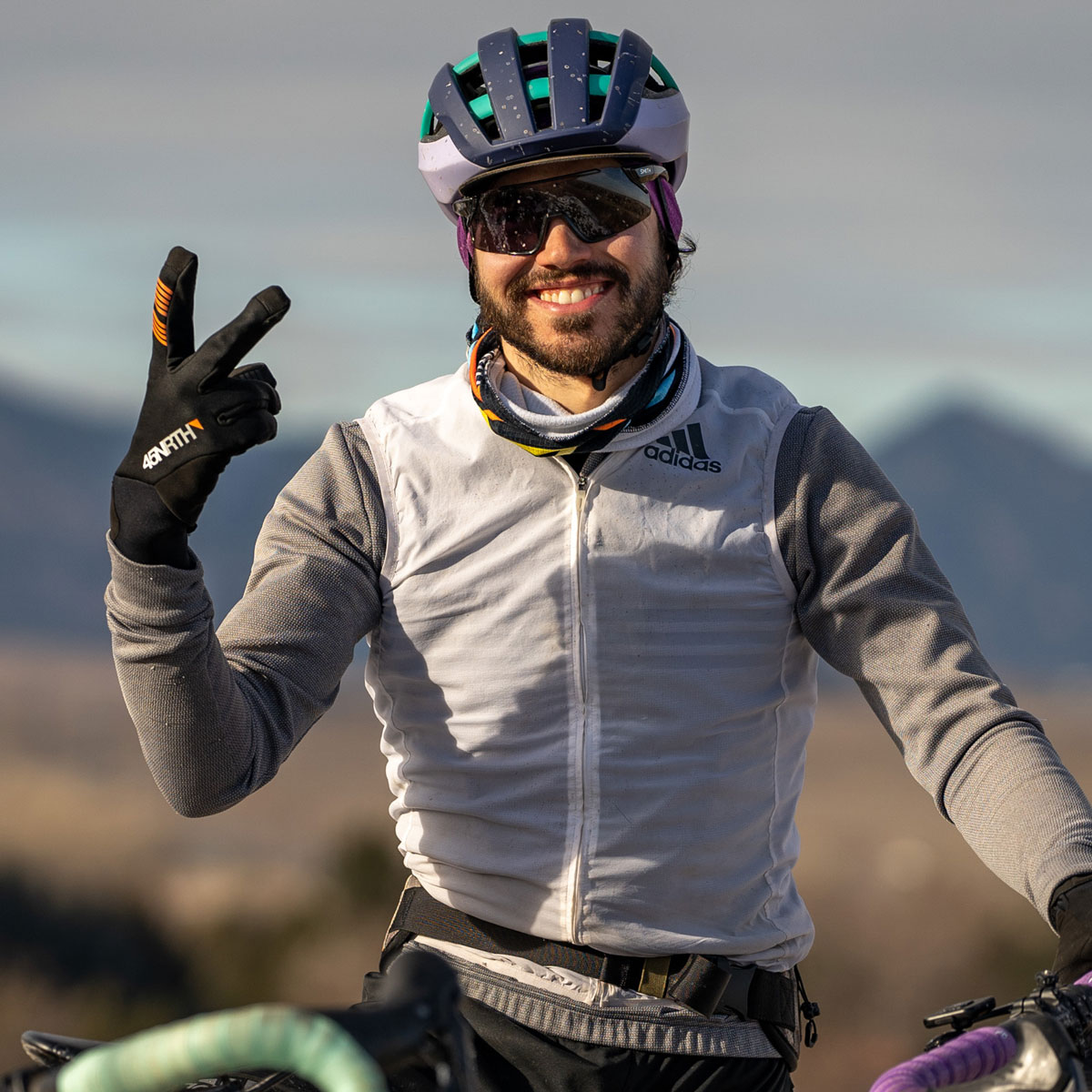
Neil’s latest video takes another data-driven look at the rigs of this year’s Tour Divide. As a follow-up to his overall analysis, he dives into this year’s returning riders to identify trends and see how those repeating this daunting race are doing so. Watch it here…

Last week, a friend reached out and told me he was frustrated by the lack of creativity on some of the rigs taking on the Tour Divide this year. To him, some looked a little too fresh and new, with bags that didn’t look fully tested, filled out, or lived in. In other words, they didn’t have much character. I’ve occasionally noticed this over the years, too, and it got me thinking: What do the rigs that keep coming back to the Tour Divide actually look like? Watch the video below to find out, followed by a written version.
As I mentioned in my Rigs Of analysis video, there were far more rookies than returning riders this year. After all, an undertaking like the Tour Divide is not only incredibly time-consuming, but signing up to do it again can feel even more daunting than the first time. As a rookie, you go into the race thinking about what could be—with expectations but no real experiences to back that up. As a returning rider, you know how hard it is. You’re more familiar with the challenging sections. You have an idea of how your body will react. And you know how brutally long a 2,700-mile race really is.

The unknown can sometimes be easier than knowing what’s ahead, though. It’s helpful to know when to prepare for certain trail conditions or how long the stretches between resupplies are, but in my experience, going in blind can give riders the chance to leave it all out there and deprioritize pacing, which can lead to good results. Finishing position and personal goals aside, however, there’s one thing returning riders have over rookies: experience. With that experience comes the time to tinker with your rig—what to add, what to leave at home, where to place cargo on the bike, and so on. After looking through the returning rigs, there are some clear takeaways.
I decided not to include the “started but did not finish” participants in this video, simply because some could have lasted a day, while others lasted much longer. While they no doubt learned something out there, I imagine folks who have finished the route have slightly more dialed setups. Of the 16 percent of riders who had finished once or more than once, 25 of those individuals participated in the Rigs of the Tour Divide series that we publish each year. If you want to check all of them out or dig into any of our Tour Divide coverage, make sure to visit the tracker. We have daily updates and photography to help you understand the enormity of this race.
Who are these humans?
The riders who shared these rigs are all incredibly talented, and many have enjoyed success on the Tour Divide and in other races. Some are trying to beat records, many are chasing personal bests, and others are simply hoping for a clean run. One noticeable trend is that there are three women, Meaghan, Karin, and Alyssa, and 22 men. That’s a two-percent increase compared to the full Rigs of analysis sample group. The returning riders group is also slightly younger than the full group of riders, with an average age of 42.4 years. Gary Holton is the oldest at 62, and Colin Hart is the youngest at 21.
I also wanted to highlight the goal finish times, as quite a few of these returning riders are aiming to go fast. Looking at their stated goal times, 13 riders have a goal finish time between 14 and 16 days, with an average goal of 18.2 days among the group.
Returning Rigs
As for the bikes, there were a few interesting findings. Some folks mentioned they were using the same bike they had used before, or a variation of it with added comfort. Nicholas Vitale, for example, rebuilt his 2021 Cutthroat for convenience and comfort. Speaking of Salsa, there were 9 Salsas among the 25 returning rigs, 7 of which were Cutthroats. Most were the current model, but the original version was also represented by the legendary Dylan Taylor, who has had considerable success on the Tour Divide and in other races. In fact, he took fourth in 2015 after the ridiculous race between Jay Petervary, Josh Kato, and me.
Because of that, it’s no surprise that returning riders leaned heavily on carbon, with 13 of the 25 choosing carbon as their frame material. Another 9 used titanium, while a few others used alloy or steel. In line with the full Rigs of analysis sample, riders also leaned toward flat bars over drop bars, 16 to 9. They also leaned heavily toward suspension, with 20 riders opting for front suspension, 3 going rigid, and 2 riding full-suspension bikes.
Unsurprisingly, nearly all of the returning riders had aero bars mounted on their bikes. The lone exception was Alex. He ran aero pads, but not the actual bars. That comfort up front is still there, though. I rode with him this winter and was impressed by how well he used the pads without bars.
Gears and Wheels
As a matter of fact, Alex, Bailey, and Felix all ran custom bikes. I’ll dive deeper into that topic in an upcoming section, but it’s also interesting because those custom rigs are all singlespeeders. In fact, six of the bikes were singlespeeds, which is a large portion of the returning-rider group. It has me wondering if some of those folks might be gunning for Chris Plesko’s record, which has held for a decade. The steepest gearing I saw was Felix’s 34×18, followed by Bailey’s 32×17. Then there were three riders running 32×18, and one running 30×17. On to the geared bikes. Of the 19 riders, all but one were running 1×12, with Dylan Taylor still rocking a 2×10 drivetrain. Fifteen of those bikes used SRAM, while four were running Shimano. In total, 12 were electronic, while 13 were mechanically driven.
Regarding tires, the Vittoria Mezcal remains the choice for many Divide riders. That said, with more rolling-resistance testing coming out, the Continental Dubnital is gaining steam here. All told, Vittoria was still the most popular tire brand, with 11 bikes, 10 of them running Mezcals. Continental came in second with nine bikes, eight of them using Dubnitals. All of the bikes were between 50mm and 2.4 inches wide, with the majority of riders, 10 total, choosing 2.2-inch tires.
Cargo
A real draw for the gear nerds like myself, the way a bike is packed can be very telling. If I were to look at two bikes side by side, I’d be able to tell which is which 9 out of 10 times. It’s refreshing to see these returning rider rigs. For the most part, they are dialed. A few things are worth noting. A lot of riders are simply using bottles or relying on them heavily. Whether it’s keeping the frame clear to access them, supplementing frame bags with bottles, or using a system like the Botched Bikes Dragonfly to make bottles easier to reach, bottles are easy to use on the bike, easy to refill at convenience stores, and simple overall. Another telling item is that these riders are digging racks. Racks are here to stay. At this rate, I’ll be reviewing four racks in a year. My love for racks is mostly about versatility, and there still seems to be a strong desire for them, even in a race setting. That said, seat packs are still around. Six returning riders used seat packs, while 19 used a rack system.
Tailfin racks were the most used, with eight riders running their systems in this distinguished group. Mica also stood out, with five riders using the Rat Tail. That use case is a great middle ground. It’s still a rack, but it’s a minimal option and a clean overall setup. Interestingly, a couple of those custom singlespeed bikes had special mounts added near the middle of the chainstay to attach the Mica rack. The rack comes with a shorter upright and is meant to mount to pucks on the seatstay. Either way, that’s dialed. Having frame manufacturers build cargo solutions into the bike not only makes the rig look clean, but it also gives everything a better fit. I’m a big fan of this, and it shows the dedication of both the rigs and the riders. I also found that most folks used rear racks simply for cargo on the top. If they had anything on the side, it was usually pretty minimal, not a huge pannier setup like some of the other rigs in the larger sample.
Another general theme is that most of these rigs had relatively little gear. Not many riders mentioned bringing a tent. Instead, most seemed to have a dialed bivy setup. Because of this, many of these bikes either skipped certain bags, like handlebar systems, or used a more minimal bag setup overall. And for those packing a bit more, they tend ot have a longer time on trail, or a longer goal finish time, which is understandable. For what it’s worth, more folks opted not to use the fork for cargo or water. Seventeen riders did not use fork storage, while eight did. Some of those fork-mounted setups were for bear spray, which is a good idea if you ask me.
Random Findings
Going through the same random findings we looked at in the main sample, we saw many similar numbers and a few standouts. First off, most returning riders use clipless pedals, with 84 percent of riders choosing to clip in. As for seatposts, more than half used rigid ones, with seven using dropper posts and four using suspension posts.
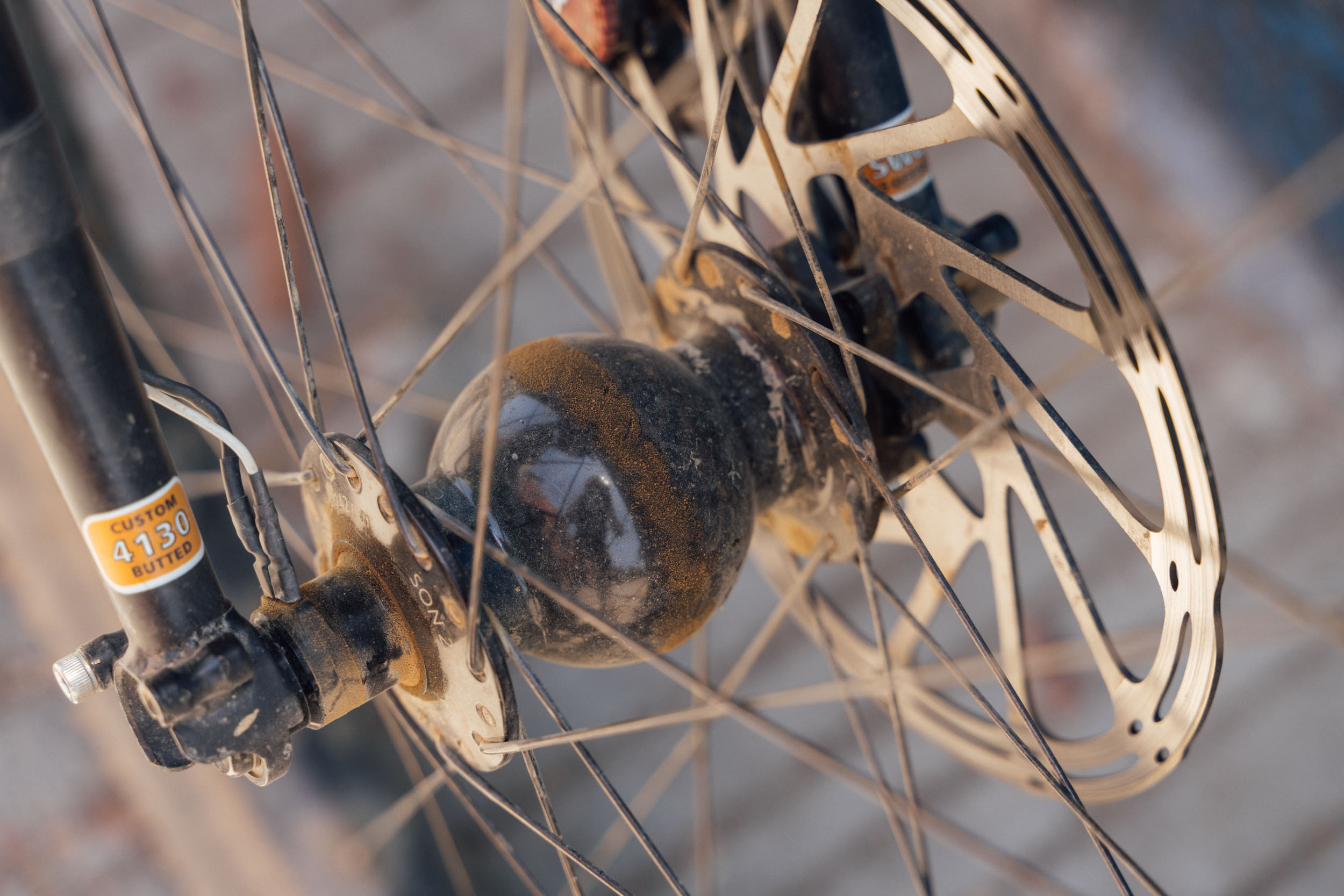
Seventy-six percent were also relying on human-powered energy via dynamo hubs, and all but one of those were SON dynamo hubs. There was also a split between kLite and Sinewave lights on the bars of dynamo-equipped bikes. Most returning riders are using the COROS Dura. That might show that riders appreciate best-in-class battery life. Twelve individuals used the Dura, five used the Garmin Edge 1040, and three used the WAHOO Roam, with a few other Garmin devices mixed in.
Final Thoughts
Looking at the returning rigs compared to the overall sample, a few things stand out. The returning rigs seem more refined and intentional. They were more likely to use dynamos, more likely to ride clipless, way more likely to be on a COROS Dura, and, to my surprise, more likely to use electronic shifting. They were also all on 29-inch wheels.
The singlespeed stat was especially interesting. Singlespeed bikes made up just five percent of the overall sample, but nearly a quarter of the returning rigs. That says something about the kind of rider who comes back to the Divide. They know how hard it is, and some are still choosing to make it harder, or at least more simplistic. I love that!
More than anything, the returning rigs don’t necessarily look flashy. They look settled. They look like bikes shaped by experience, by past mistakes, and by knowing what actually matters after days and days on the route. And that might be the biggest lesson here: after you’ve done the Divide once, the setup becomes less about chasing trends and more about what keeps you moving.
Many of you asked to see what finishers’ rigs looked like, and here they are. What stood out to you? Are they what you were expecting? Let me know in the Conversation below…
2026 Tour Divide coverage supported by

 Check out the 2026 Tour Divide Tracker page to follow along on the live tracking map, and stay tuned in for more event coverage. Find it here.
Further Reading
Make sure to dig into these related articles for more info...
Please keep the conversation civil, constructive, and inclusive, or your comment will be removed.






 English (US) ·
  French (CA) ·